
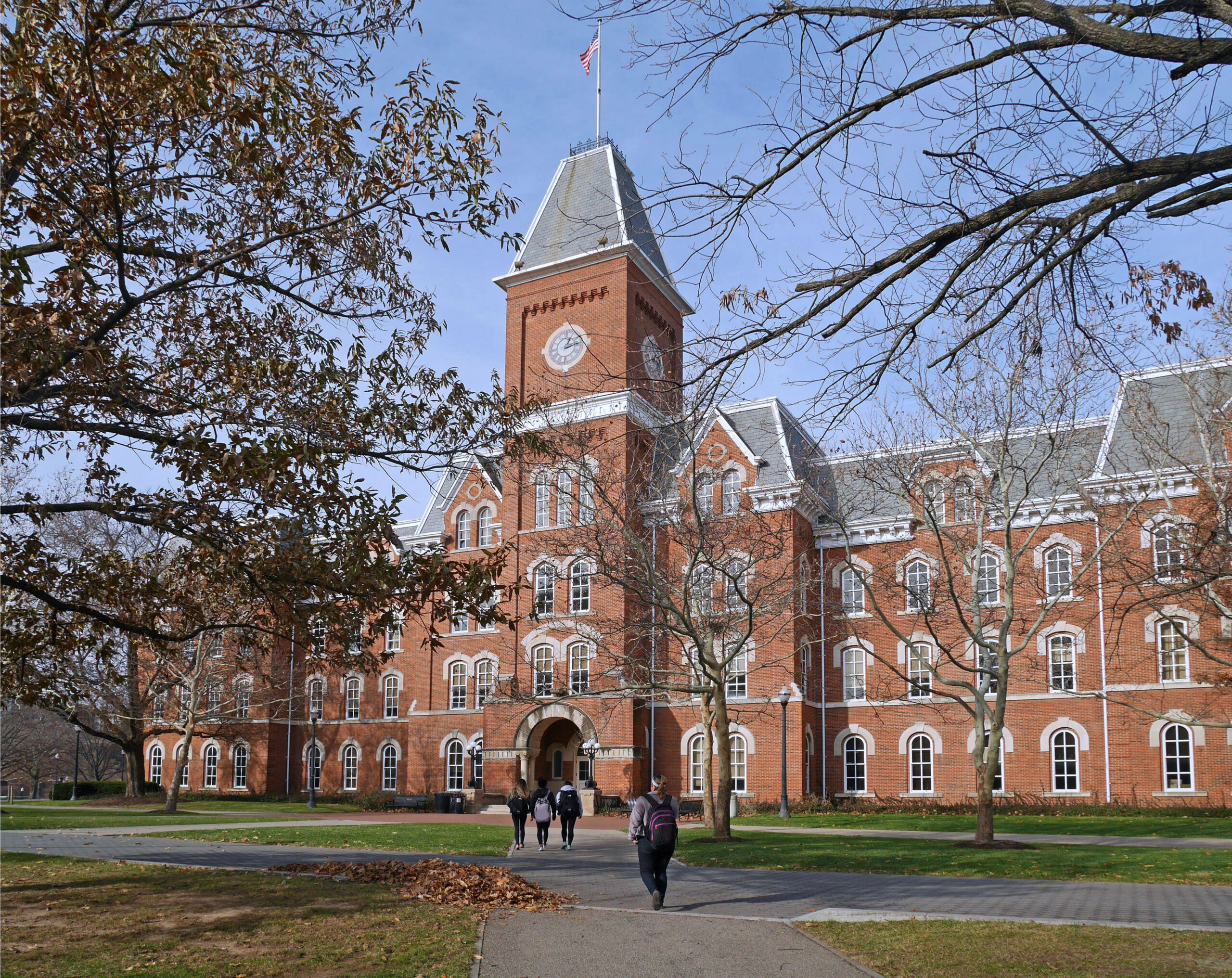

Every year when August arrives, many high school graduates and their parents turn their attention to the college bound chaos forthcoming. Questions regarding moving into dormitories, paying tuition, etc. permeate the discussions between parents and their children that are transitioning into adulthood and now pursuing their higher education academic endeavors. What is often lost amidst the flurry of college preparations is a discussion on estate planning… for the college bound kids . While the focus tends to be on the child’s academic success in college, and rightfully so, there are crucial estate planning considerations that families should explore as children turn age 18 and head off to college. Specifically, families need to explore getting a health care power of attorney (HCPOA) and a financial power of attorney (FPOA) in place for their now adult children. Here is why these documents are vital:
Legal Adult Status:
Upon attaining age 18, individuals are considered legal adults in most all jurisdictions in the U.S. Legally, this generally means that a parent no longer has authority to make medical or financial decisions on behalf of their child, even in emergencies. Without a HCPOA and FPOA, parents most likely will face significant hurdles in accessing their child’s medical records or making decisions if the child is incapacitated, which very often will require court intervention.
Health Care Power of Attorney (HCPOA):
A HCPOA allows your adult child to designate someone (often a parent) as an agent to make medical decisions on their behalf if they are unable to do so themselves. This document is obviously crucial in emergencies where quick medical decisions are required, but your child cannot communicate their wishes. Without it, hospitals may not release medical information or allow parents to make critical decisions during emergencies. A well-written HCPOA often will cover any and all health care matters, both physical health care matters and mental health care matters, and is usually coupled with a living will and other advanced medical directives pertaining to end-of-life situations.
Financial Power of Attorney (FPOA):
An FPOA, which is often referred to as a general durable power of attorney, grants someone as an agent the authority to manage your child’s personal financial affairs if they become incapacitated or are unable to manage their finances for any reason. FPOA’s tend to include provisions permitting the agent the authority for handling bank accounts, paying bills, managing investments, and dealing with legal matters related to finances. Without an FPOA, the parents will face various challenges in managing the financial affairs of the college bound child in case of emergencies.
Ease of Access and Peace of Mind:
Having these types of estate planning documents in place, and potential others as well, better ensures a smoother transition into adulthood for both the child and the parents. The general goal of establishing at least the basic estate planning documents with the HCPOA and FPOA is that it can help provide peace of mind knowing that there are clear instructions and legal permissions in case of unforeseen circumstances. For students heading off to college, where accidents and health emergencies can unfortunately happen, these critical estate planning documents can make a significant difference in ensuring that parents can support their child effectively when needed most.
Legal Requirements and Customization:
Laws regarding powers of attorney can certainly vary in each state, so it is recommended that a family consult with a legal professional to ensure the documents comply with local regulations. Additionally, HCPOA and FPOA documents can be customized to reflect the adult child’s specific wishes and circumstances, providing flexibility and clarity in how decisions should be made on their behalf.
Encouraging Responsibility and Planning:
An added benefit to setting up these types of estate planning documents is also encourages young adults to think responsibly about their future and the potential challenges they may face. While discussing incapacity and death going into some of the most fun and rewarding years of a child’s life does not sound like an exciting send-off to college, it does foster a proactive approach to responsible planning and prepares them for managing their own affairs independently.
Conclusion:
As your child prepares to embark on their college journey and legally becomes an adult, taking the necessary steps to establish proper estate planning documents, such as a health care power of attorney and financial power of attorney is crucial. These documents ensure that both you and your child are prepared for most all unforeseen circumstances, providing the legal authority needed to manage medical and financial matters effectively. Consulting with a legal professional can help navigate the process and ensure compliance with local laws, offering peace of mind and support during this significant transition. By prioritizing these preparations, parents can help safeguard their child’s well-being and ensure they have the necessary tools to navigate adulthood responsibly and securely.
By Darren T. Case, Contributor
© 2026 Forbes Media LLC. All Rights Reserved
This Forbes article was legally licensed through AdvisorStream.
The articles and opinions expressed in this document were gathered from a variety of sources, but are reviewed by Strickland Financial Group, LLC prior to its dissemination. Any articles written by Graham M. Strickland or Strickland Financial Group will include a ‘by line’ indicating the author. Strickland Financial Group provides a full range of financial services, including but not limited to: life, health, disability and long term care insurance, group and individual retirement plans and individual investments. Receipt of literature in no way implies suitability of product(s) in your financial plan. Strickland Financial Group maintains networking relationships with estate planning attorneys and tax professionals but does not itself offer legal or tax advice. Securities offered through Osaic Wealth Inc., Member FINRA/SIPC. Advisory services offered through S&S Wealth Management, LP (S&S). A Registered Investment Advisor. Osaic Wealth is separately owned and other entities and/or marketing names, products or services referenced here are independent of Osaic Wealth. Strickland Financial Group is not affiliated with S&S Wealth Management, LP.
This communication is strictly intended for individuals residing in the state(s) of TX, NE, OK and FL. No offers may be made or accepted from any resident outside the specific states referenced.
